People
People
Faculty Directory
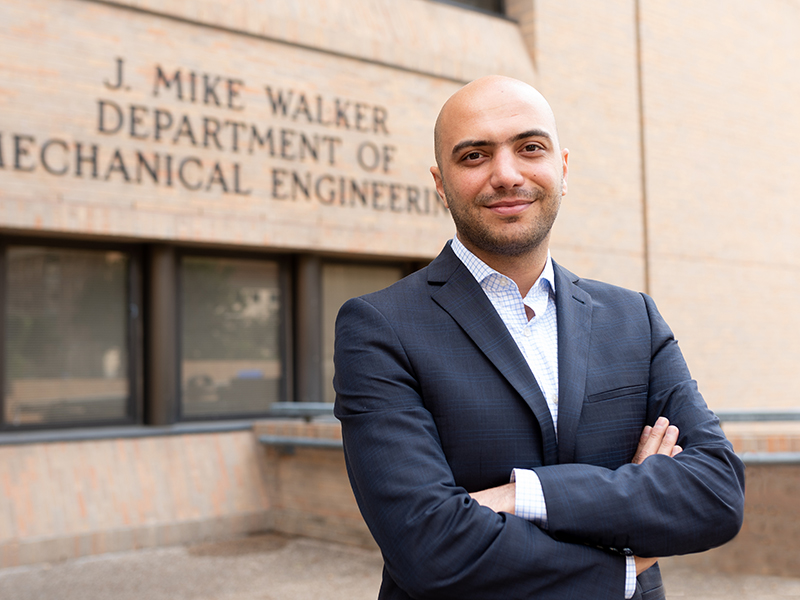
Farshid Alambeigi
Associate Professor
Leland Barclay Fellowship in Engineering
farshid.alambeigi@austin.utexas.edu
Office Location: AHG 2.320
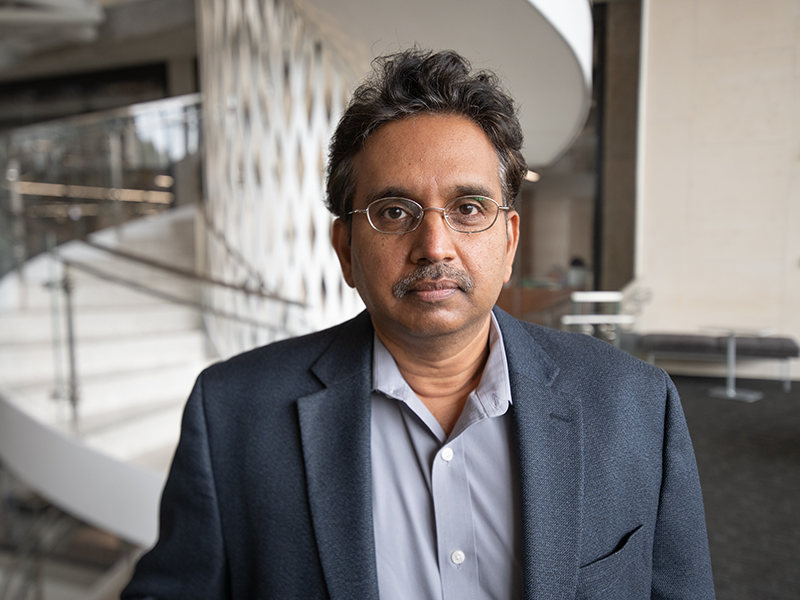
Narayana Aluru
Professor
Cockrell Family Regents Chair in Engineering #9
aluru@utexas.edu
Office Location: POB 3.340
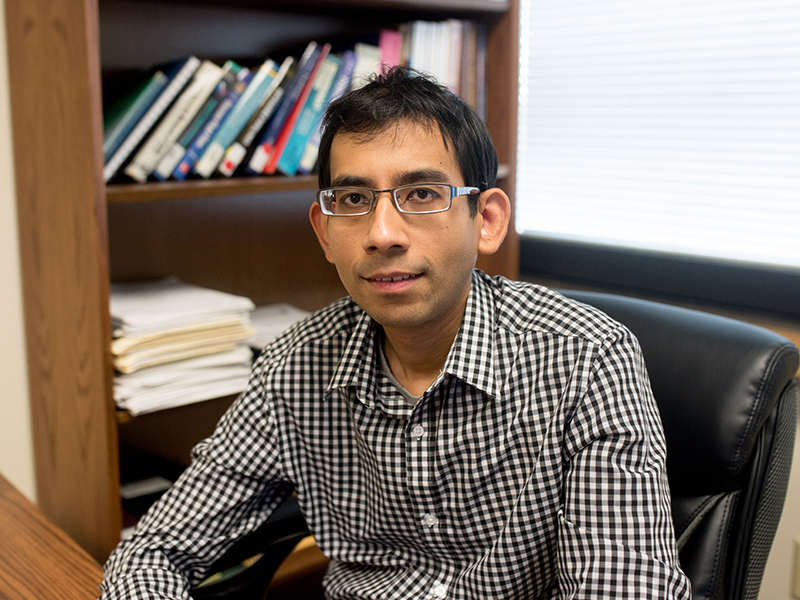
Vaibhav Bahadur
Associate Professor
Carl J. Eckhardt Fellowship in Mechanical Engineering
vb@austin.utexas.edu
512-471-0233
Office Location: GLT 2.210
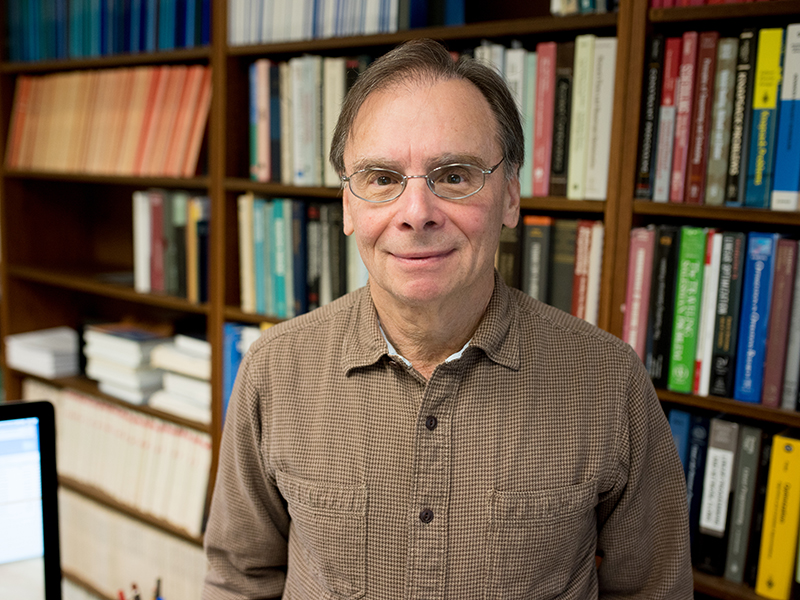
Jonathan Bard
Professor
Industrial Properties Corporation Endowed Faculty Fellowship in Engineering
jbard@utexas.edu
512-471-3076
Office Location: ETC 5.126
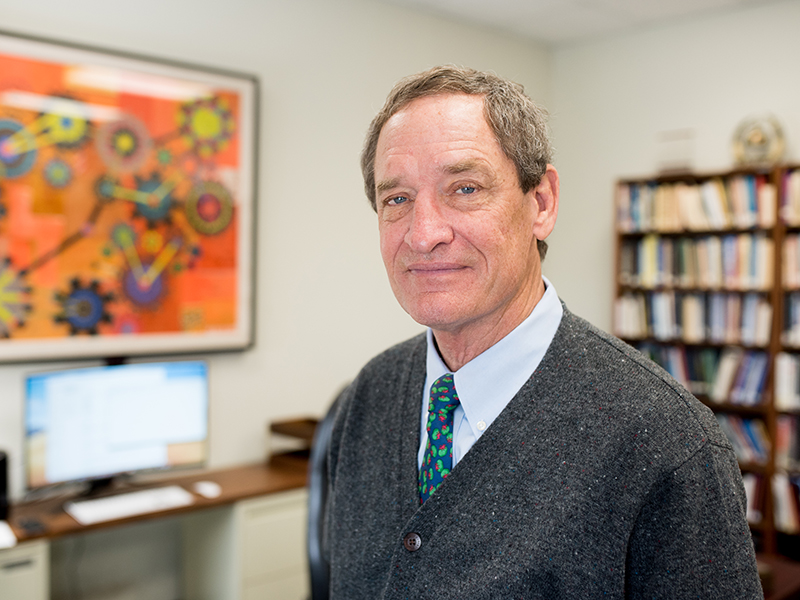
Joseph Beaman
Professor
Cockrell Family Dean's Chair in Engineering Excellence
jbeaman@mail.utexas.edu
512-471-3058
Office Location: ETC 4.144
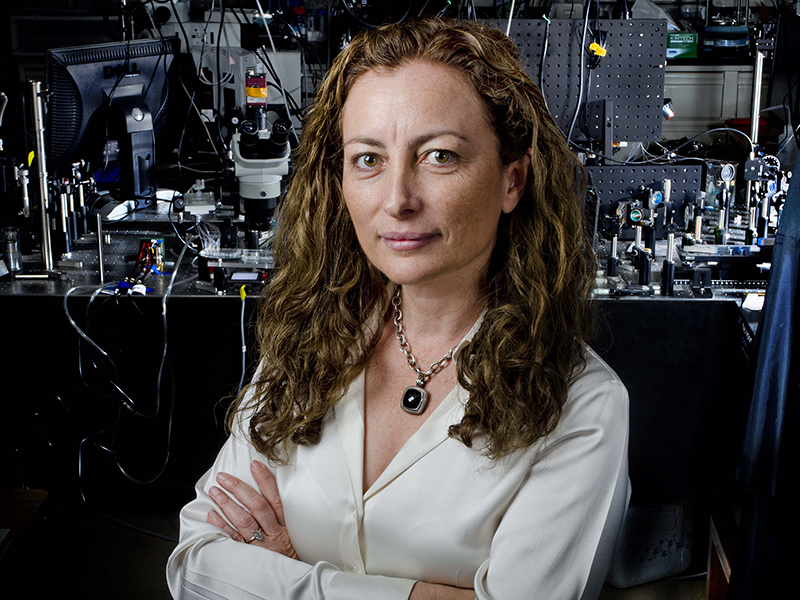
Adela Ben-Yakar
Professor
Cockrell Family Chair in Engineering #14
ben-yakar@mail.utexas.edu
Office Location: ETC 7.132
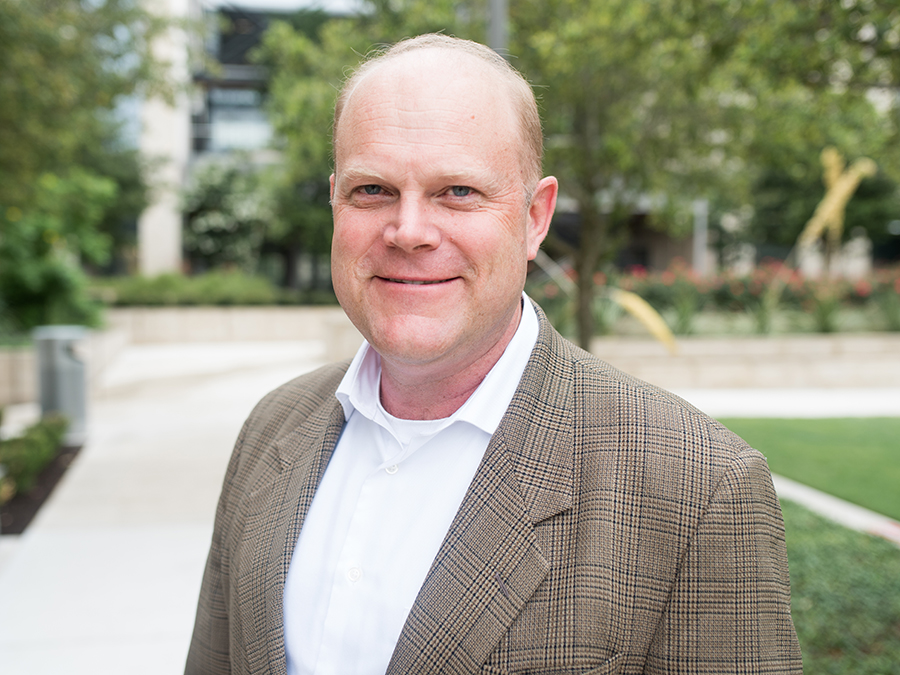
J. Eric Bickel
Professor
Engineering Foundation Endowed Professorship No. 1
ebickel@mail.utexas.edu
512-232-8316
Office Location: ETC 5.128C
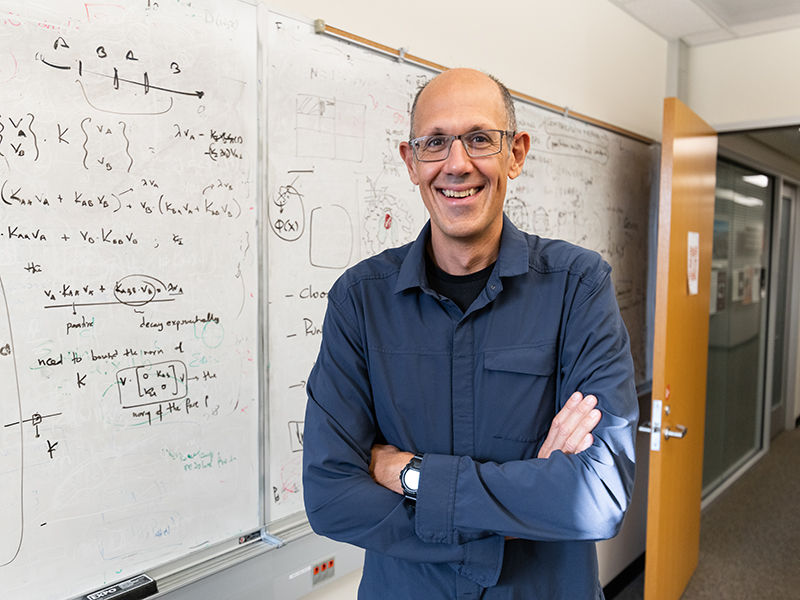
George Biros
Professor
W.A. "Tex" Moncrief, Jr. Endowment in Simulation-based Engineering Sciences Endowed Chair No. 2
gbiros@acm.org
512-232-9566
Office Location: POB 5.234
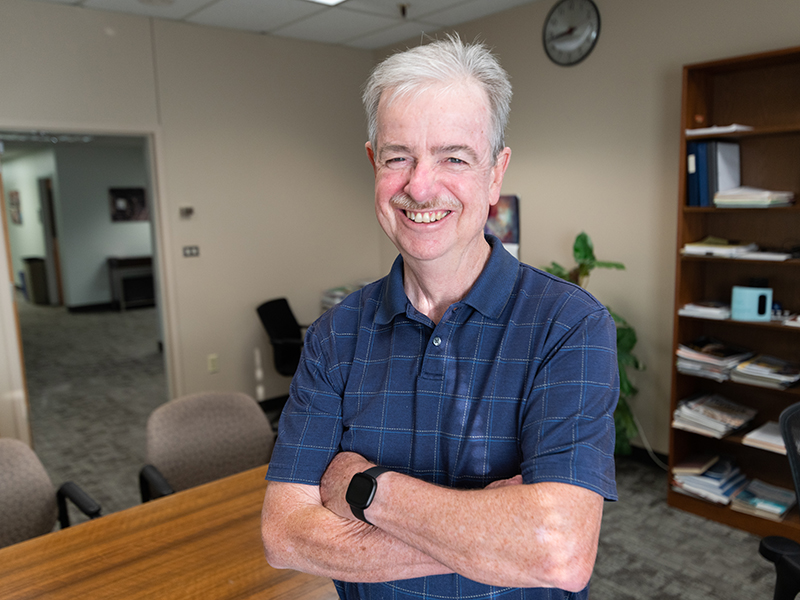
David Bogard
Professor
Baker Hughes Incorporated Centennial Professorship in Mechanical Engineering
dbogard@mail.utexas.edu
512-471-3128, 512-471-5727
Office Location: ETC 6.106EB
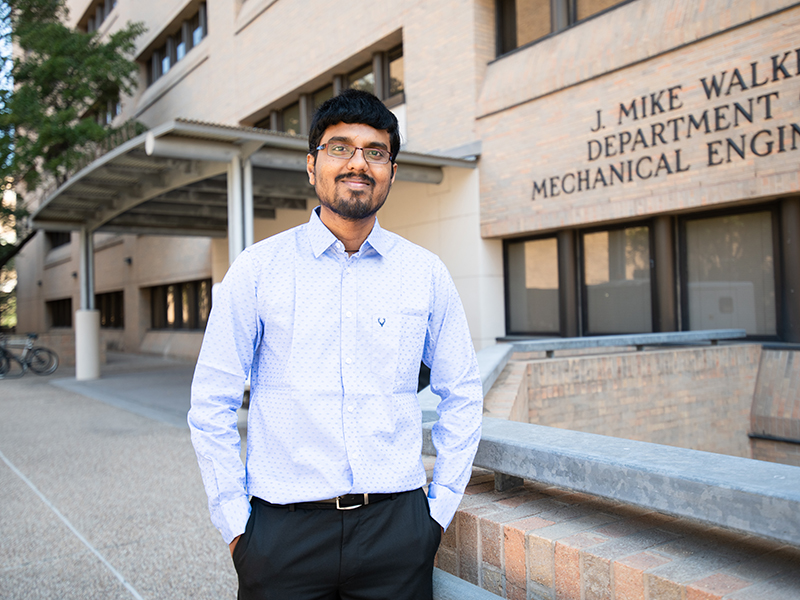
Raghavendra Bollapragada
Assistant Professor
raghu.bollapragada@utexas.edu
Office Location: ETC 5.118
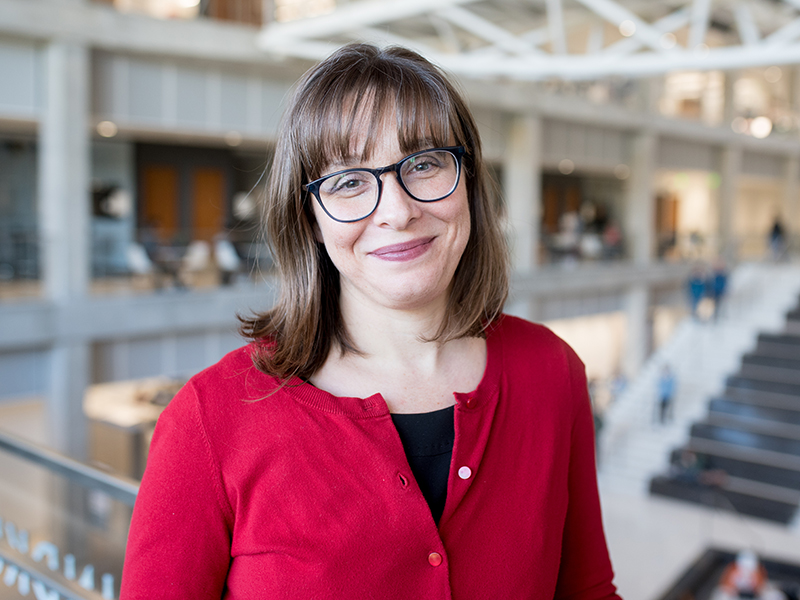
Maura Borrego
Professor
E.P. Schoch Professorship in Engineering
maura.borrego@austin.utexas.edu
512-471-3083
Office Location: EER 3.608
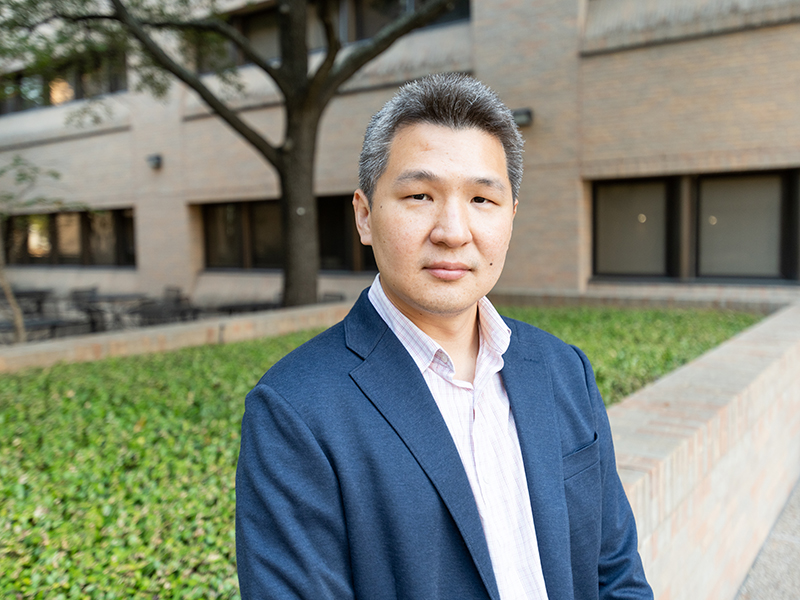
Chih-Hao Chang
Professor
Earl N. & Margaret Brasfield Endowed Faculty Fellowship in Engineering
chichang@utexas.edu
Office Location: ETC 4.152A
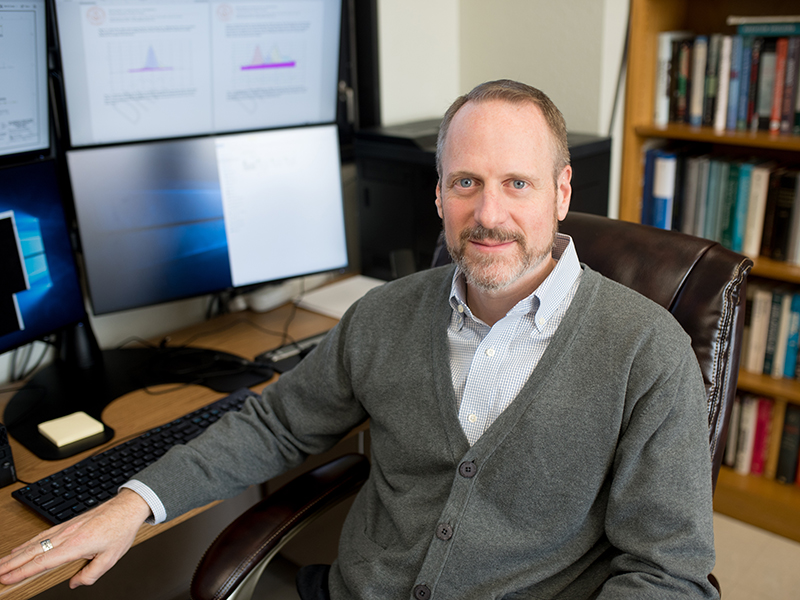
William Charlton
Director, Nuclear Engineering Teaching Laboratory; Professor
John J. McKetta Energy Professorship in Engineering
wcharlton@austin.utexas.edu
512-232-5380
Office Location: ETC 7.114
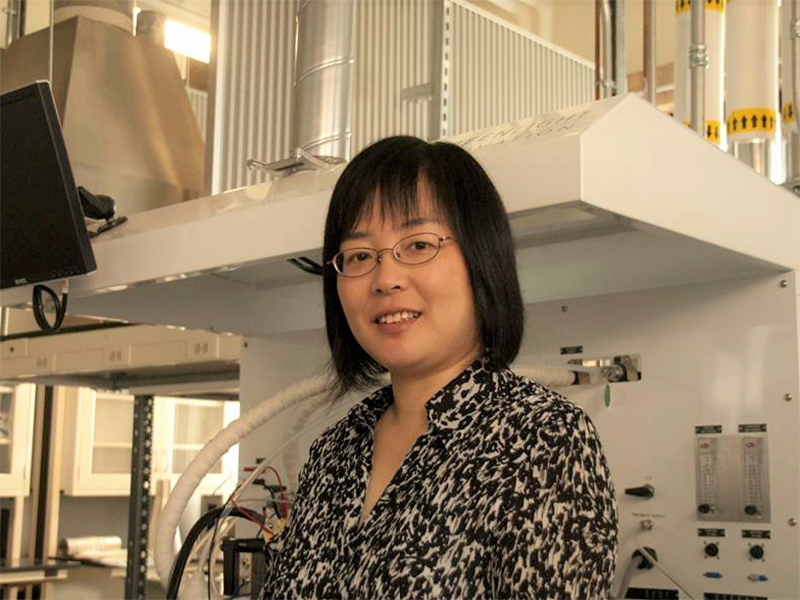
Dongmei "Maggie" Chen
Professor
J. Mike Walker Professorship in Mechanical Engineering
dmchen@me.utexas.edu
512-471-4487
Office Location: ETC 4.166


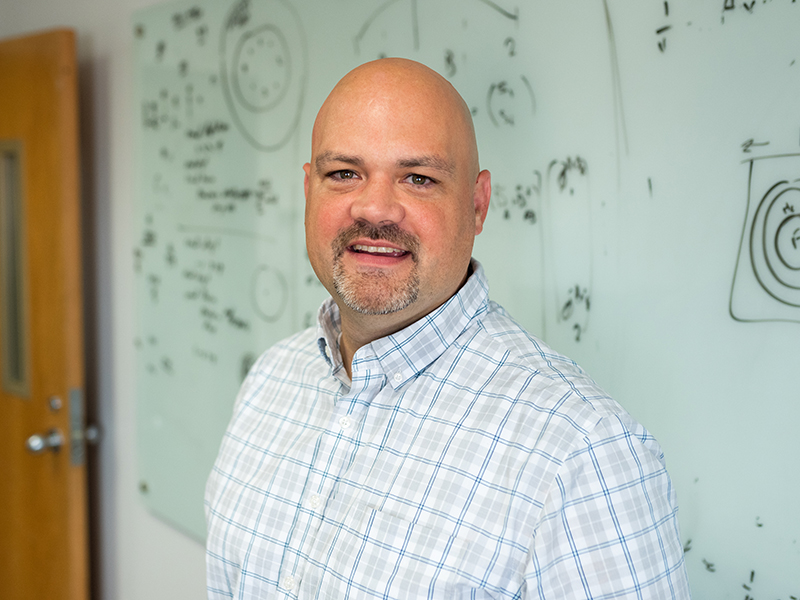
Kevin Clarno
Associate Professor
Charlotte Maer Patton Centennial Fellowship in Engineering
kevin.clarno@austin.utexas.edu
Office Location: ETC 7.150

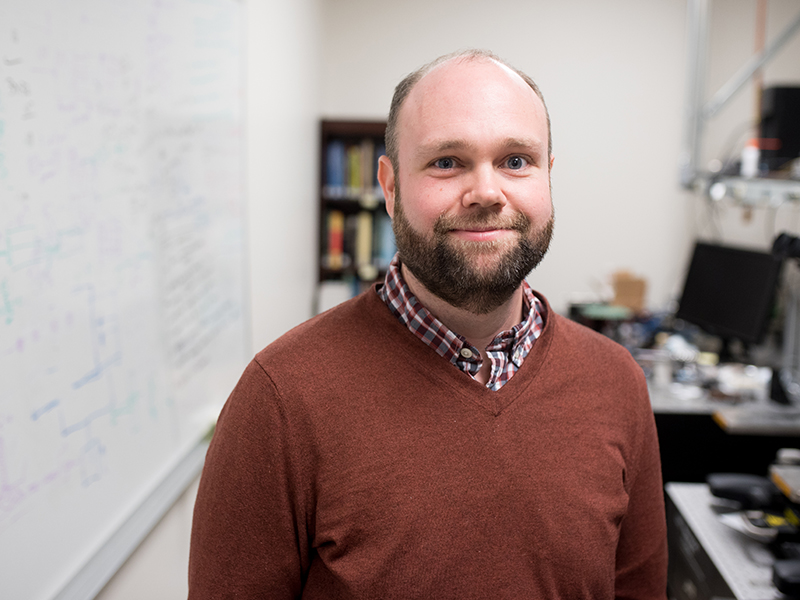
Michael Cullinan
Associate Professor
Temple Foundation Endowed Faculty Fellowship No. 3
michael.cullinan@austin.utexas.edu
512-471-0262
Office Location: ETC 4.154
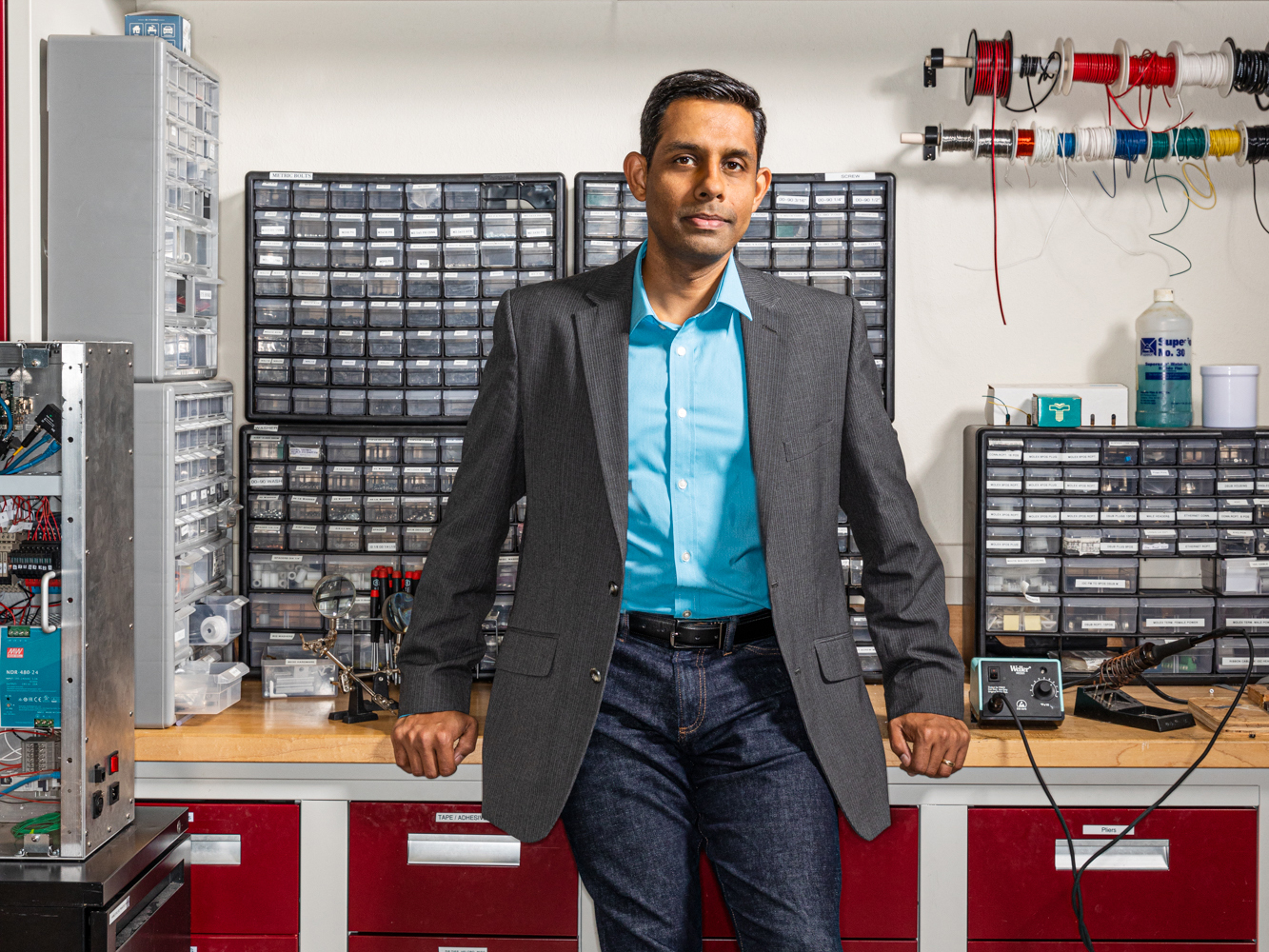
Ashish Deshpande
Professor
Carroll D. Simmons Centennial Teaching Fellowship in Engineering, Cockrell Family Regents Chair in Engineering #7
ashish@austin.utexas.edu
512-475-7773
Office Location: AHG 2.324
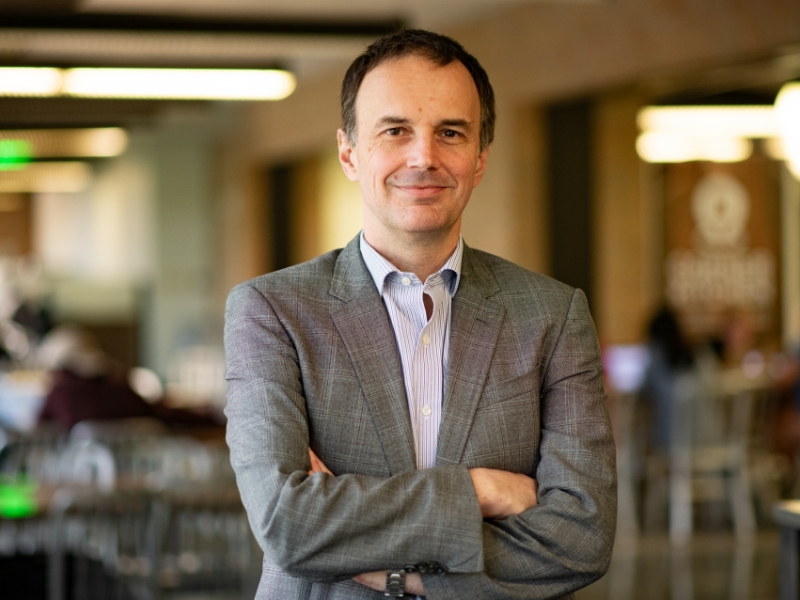
Dragan Djurdjanovic
Professor
Accenture Endowed Professorship in Manufacturing Systems Engineering
dragan.djurdjanovic@mail.utexas.edu
512-232-0815
Office Location: ETC 5.122
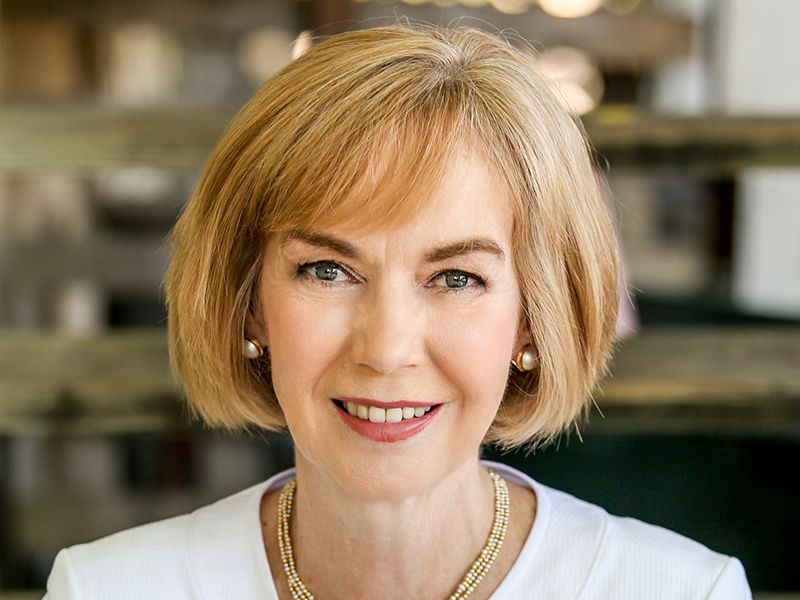
Janet Ellzey
Professor
Engineering Foundation Centennial Teaching Fellowship in Engineering No. 2
jellzey@mail.utexas.edu
512-471-7020
Office Location: ETC 7.148B

Ofodike Ezekoye
Professor
Joe C. Walter, Jr. Chair in Engineering
dezekoye@mail.utexas.edu
512-471-3085
Office Location: ETC 7.130
Eric Fahrenthold
Professor
Temple Foundation Endowed Faculty Fellowship No. 2
epfahren@mail.utexas.edu
512-471-3064
Office Location: ETC 4.136

Donglei "Emma" Fan
Professor
Harry L. Kent, Jr. Professorship in Mechanical Engineering
dfan@austin.utexas.edu
512-471-5874
Office Location: GLT 3.344
Nick Fey
Associate Professor
J. Hugh & Betty Liedtke Centennial Fellowship in Engineering, Walker Scholar
nfey@utexas.edu
512-471-3434
Office Location: AHG 2.304MB
Ann Majewicz Fey
Associate Professor
Robert and Francis Stark Centennial Fellowship in Engineering
ann.majewiczfey@utexas.edu
512-471-5869
Office Location: AGH 2.202MD
Omar Ghattas
Professor
Ernest & Virginia Cockrell Chair in Engineering
omar@ices.utexas.edu
512-232-4304
Office Location: POB 4.236A
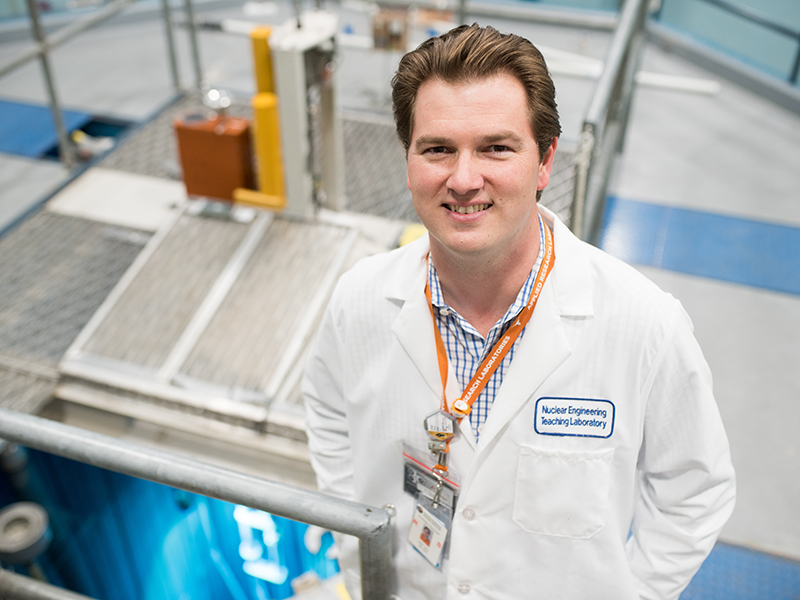
Derek Haas
Associate Professor
Chevron Centennial Fellowship in Engineering No. 2
derekhaas@utexas.edu
512-468-3871
Office Location: ETC 7.136
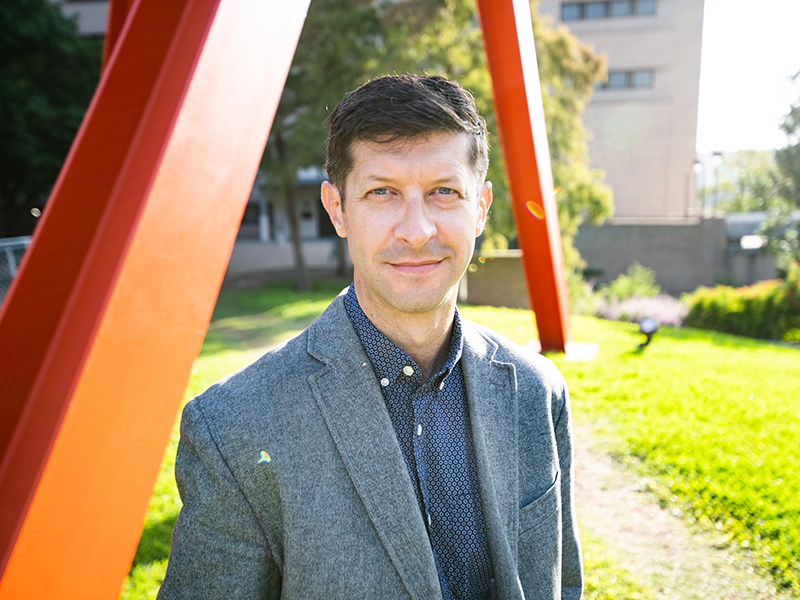
Michael Haberman
Associate Professor
Fluor Centennial Teaching Fellowship in Engineering #1
haberman@utexas.edu
512-471-8317
Office Location: ETC 4.146D
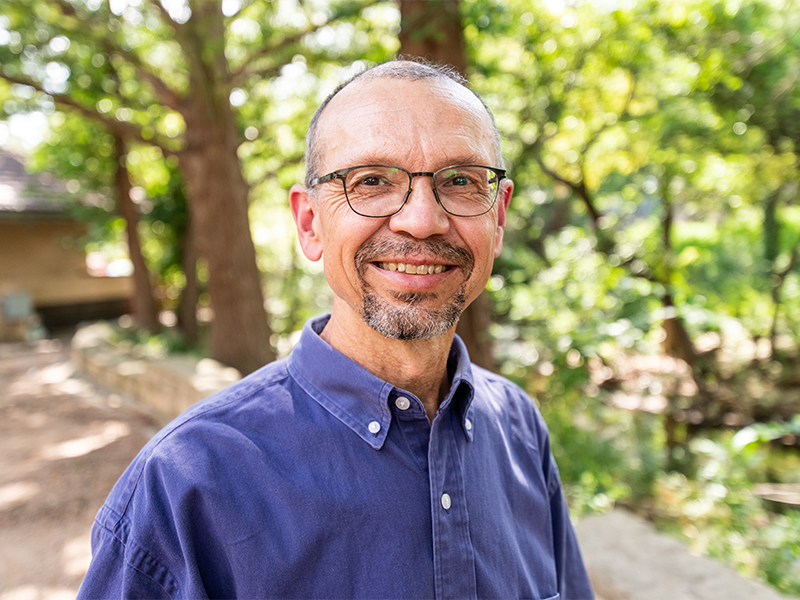
Matthew Hall
Professor
Louis T. Yule Fellowship in Engineering
mjhall@mail.utexas.edu
512-471-1292
Office Location: ETC 7.142C
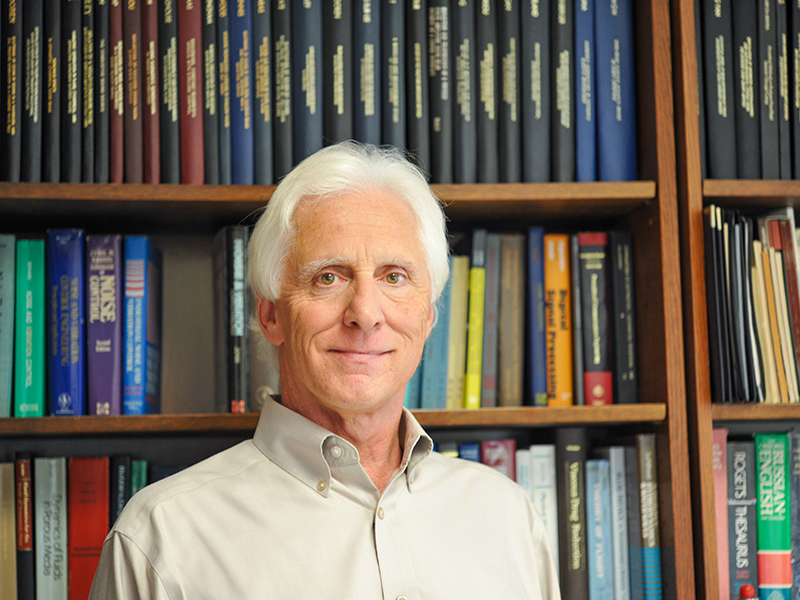
Mark Hamilton
Professor
W.R. Woolrich Professorship in Engineering
hamilton@mail.utexas.edu
512-471-3055
Office Location: ETC 4.146C
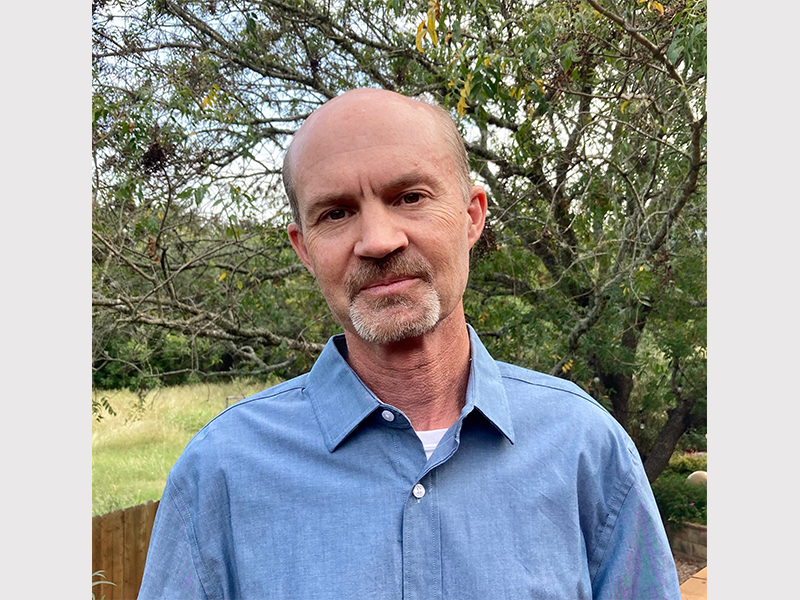
John Hasenbein
Professor
Cullen Trust for Higher Education Endowed Professorship in Engineering #4
jhas@mail.utexas.edu
512-471-3079
Office Location: ETC 5.128B


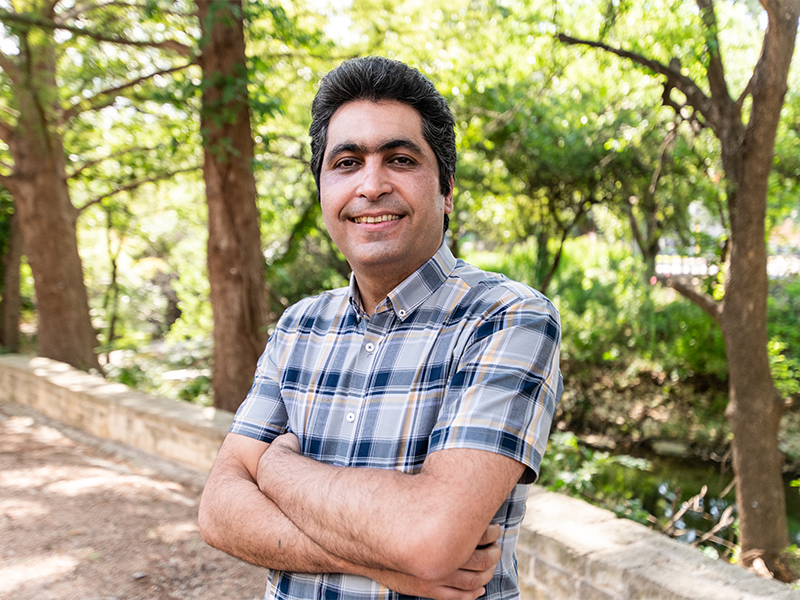
Hadi Khani
Research Assistant Professor
hadi.khani@austin.utexas.edu
512-471-4767
Office Location: ETC 9.108
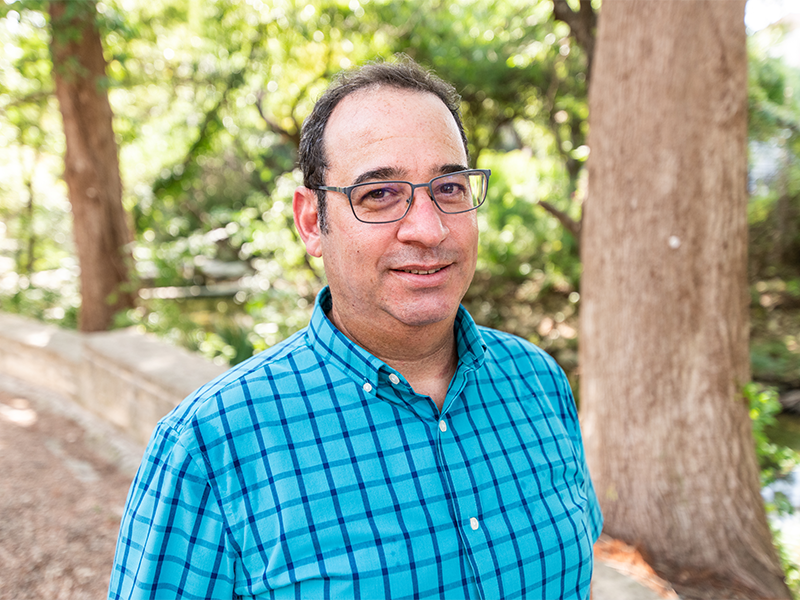
Desiderio Kovar
Professor
The BF Goodrich Endowed Professorship in Materials Engineering and Distinguished Teaching Professor
dekovar@austin.utexas.edu
512-471-5185
Office Location: ETC 9.146
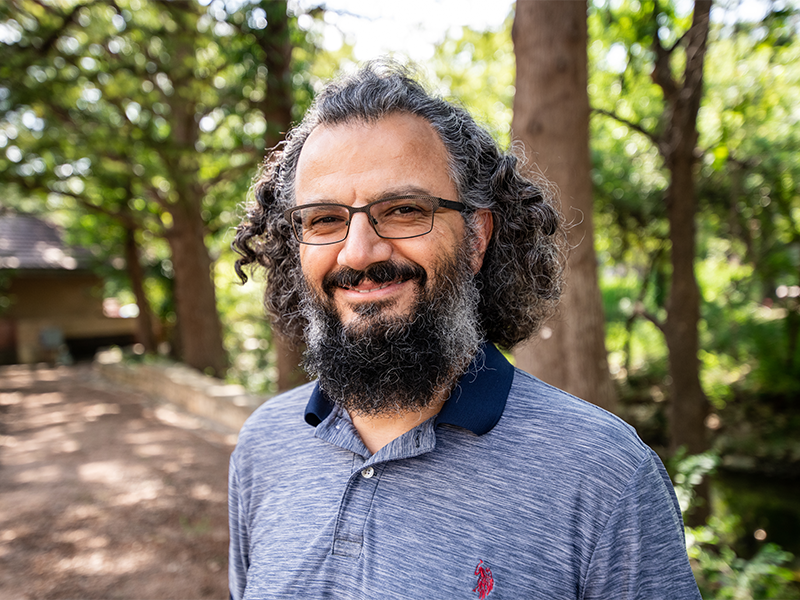
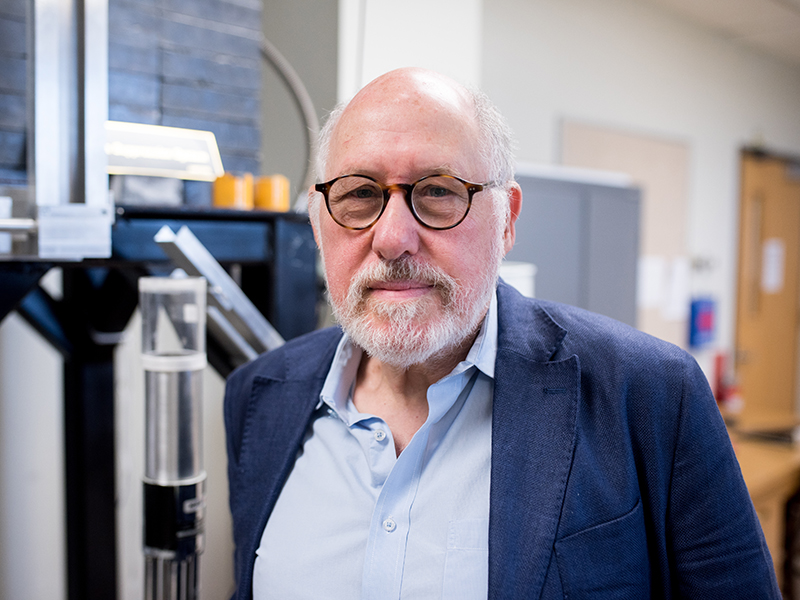
Sheldon Landsberger
Professor
Robert B. Trull Chair in Engineering
s.landsberger@mail.utexas.edu
512-796-0287
Office Location: ETC 7.116
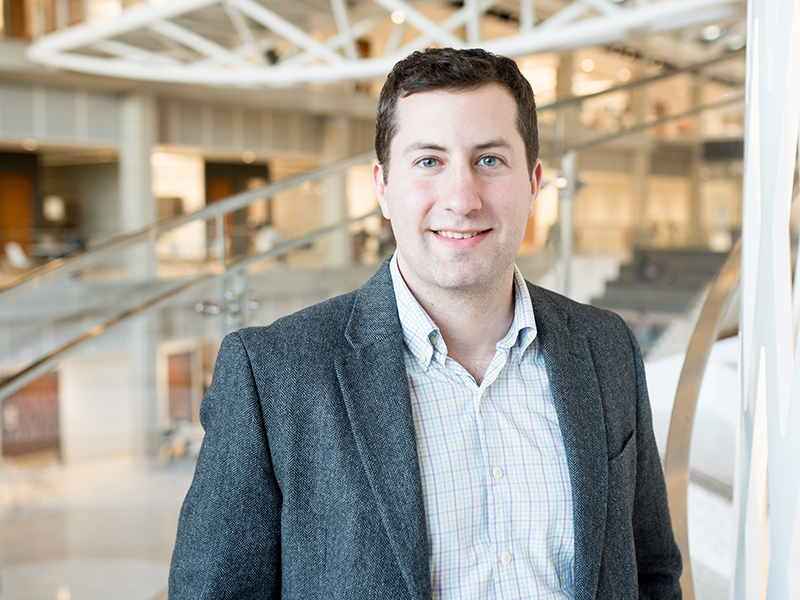
Benjamin Leibowicz
Associate Professor
Banks McLaurin Fellowship in Engineering
bleibowicz@utexas.edu
512-475-9550
Office Location: ETC 5.128D
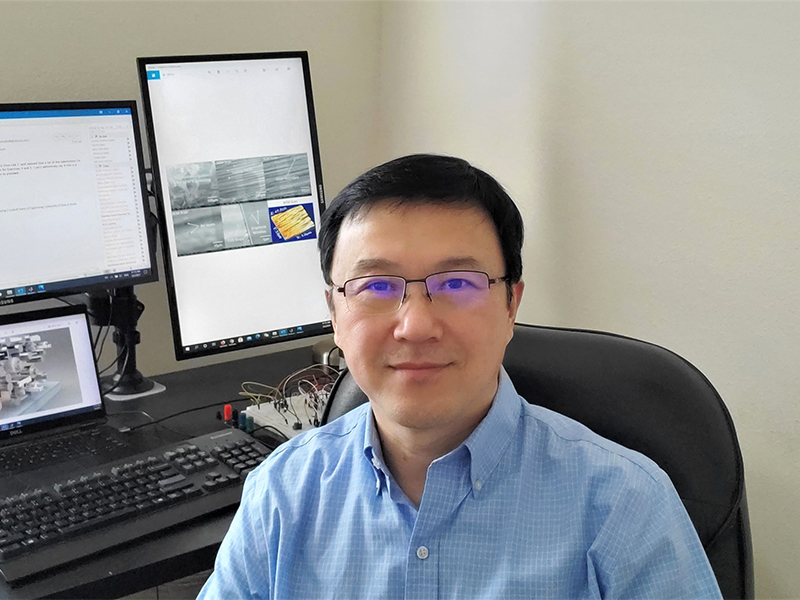
Wei Li
Professor
John T. MacGuire Professorship in Mechanical Engineering
weiwli@austin.utexas.edu
512-471-7174
Office Location: ETC 4.146B
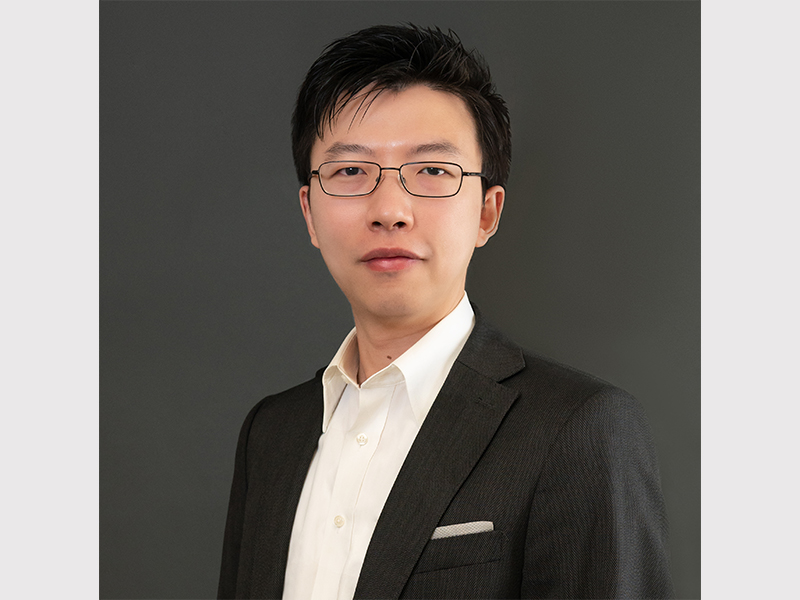
Yuanyue Liu
Associate Professor
Temple Foundation Endowed Faculty Fellowship No. 1
yuanyue.liu@austin.utexas.edu
512-232-3788
Office Location: ETC 9.168
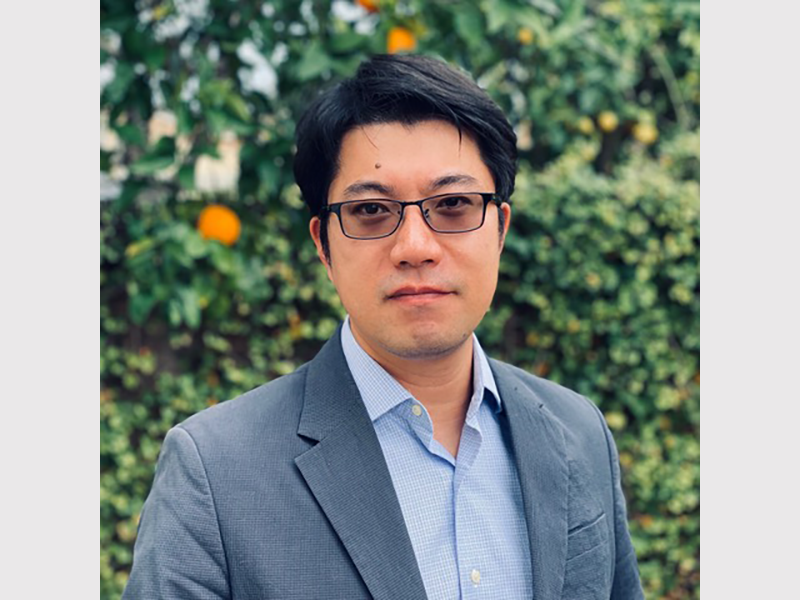
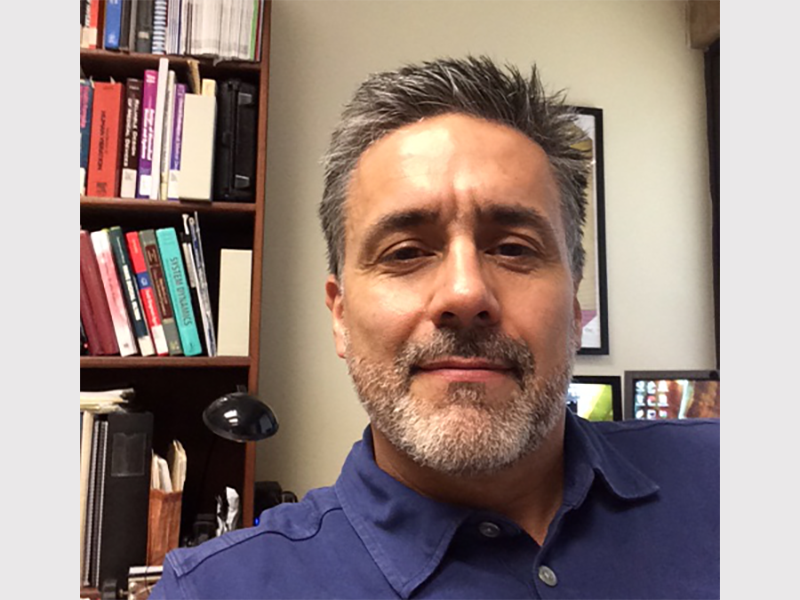
Raul Longoria
Professor
General Motors Foundation Centennial Teaching Fellowship in Mechanical Engineering
r.longoria@mail.utexas.edu
512-471-0530
Office Location: ETC 4.170
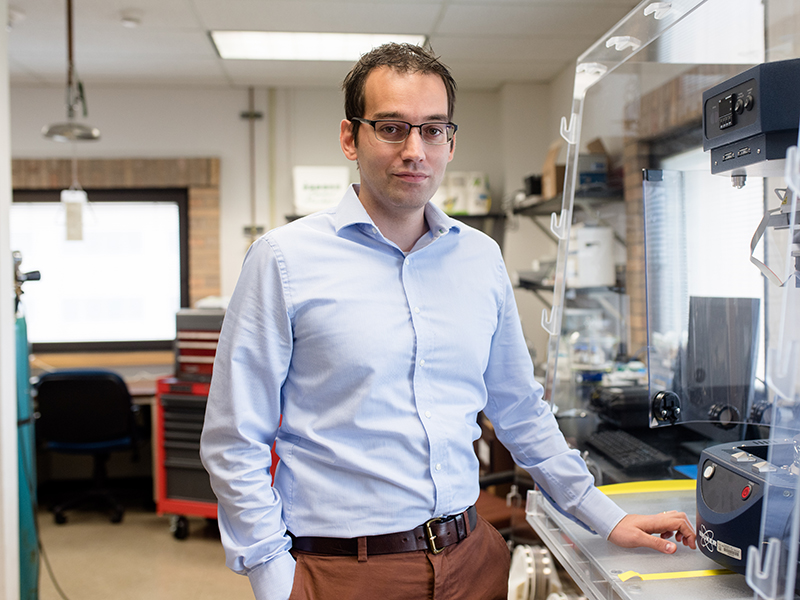
Filippo Mangolini
Associate Professor
Temple FDN Endowed Teaching Fellowship in ENG #1
filippo.mangolini@austin.utexas.edu
512-471-3244
Office Location: ETC 9.176

Arumugam Manthiram
Professor
George T. & Gladys H. Abell Endowed Chair of Engineering
rmanth@mail.utexas.edu
512-471-1791
Office Location: GLT 3.210
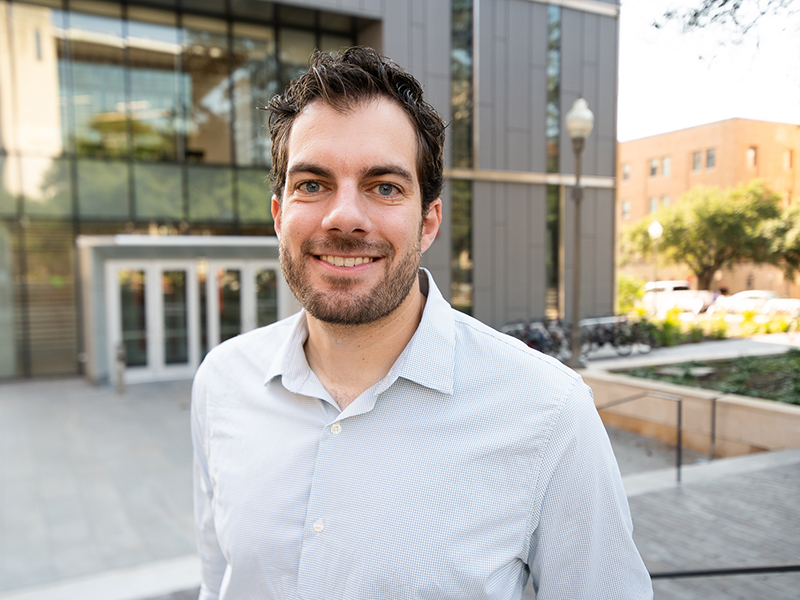

David Mitlin
Professor
Annis & Jack Bowen Endowed Professorship in Engineering
david.mitlin@austin.utexas.edu
Office Location: GLT 2.248
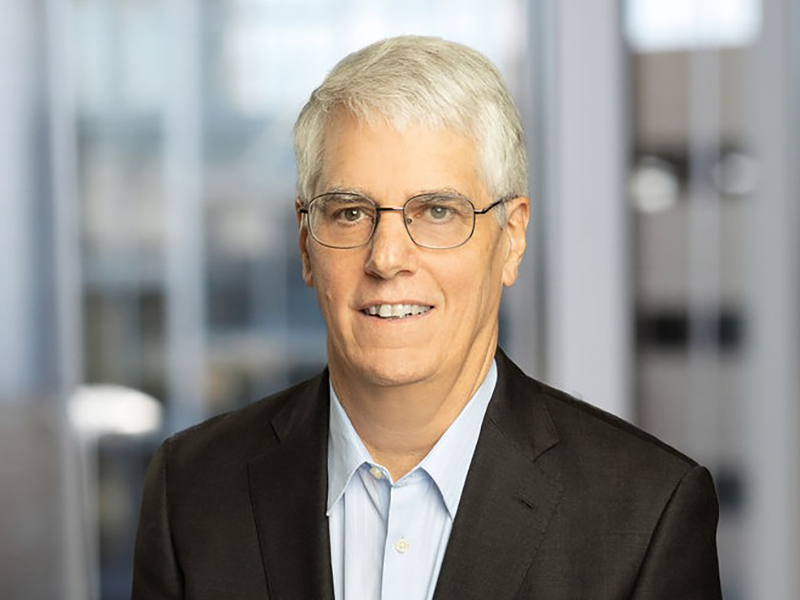
Robert Moser
Professor
W. A. "Tex" Moncrief, Jr. Chair in Computational Engineering and Sciences I
rmoser@mail.utexas.edu
512-471-3168
Office Location: POB 6.412
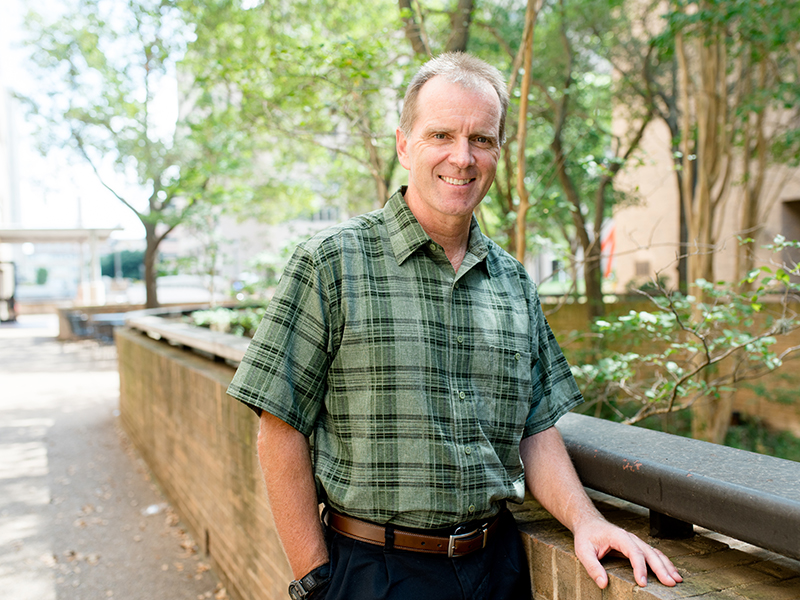
Richard Neptune
Professor
William and Bettye Nowlin Chair in Engineering
rneptune@mail.utexas.edu
512-471-0848
Office Location: ETC 4.132

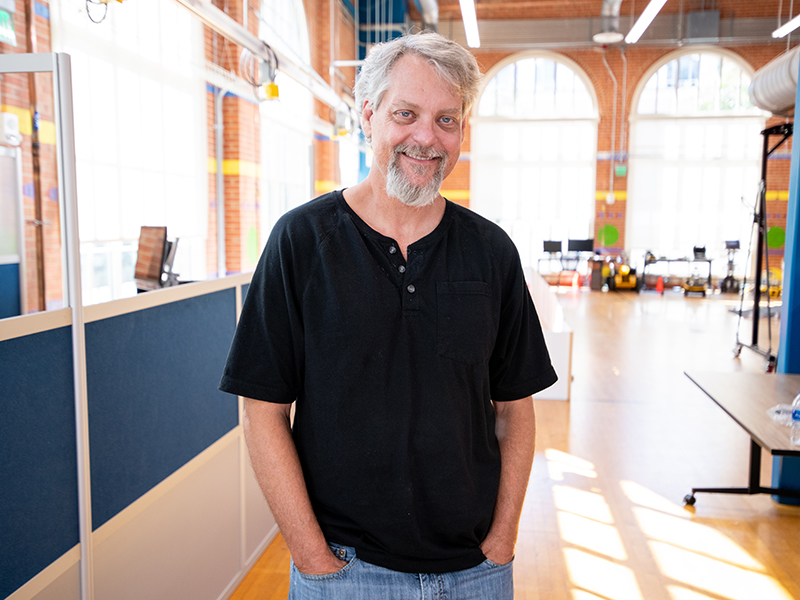


Gregory Rulifson
Associate Professor of Practice
gregory.rulifson@austin.utexas.edu
916-212-1089
Office Location: ETC 3.156
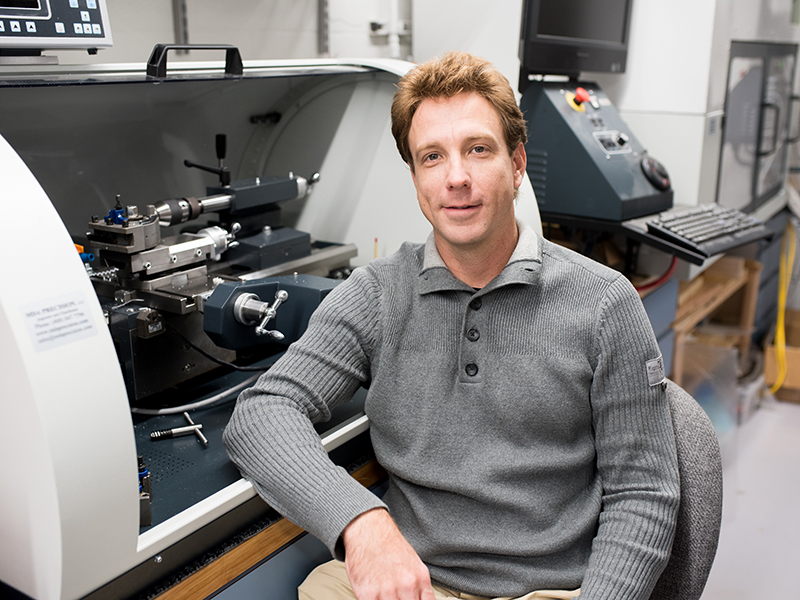

M. Nichole Rylander
Associate Professor
Werner W. Dornberger Centennial Teaching Fellowship in Engineering
mnr@austin.utexas.edu
512-232-0865
Office Location: ETC 7.142B

Anastasia Schauer
Assistant Professor
anastasia.schauer@austin.utexas.edu
Office Location: ETC 4.165

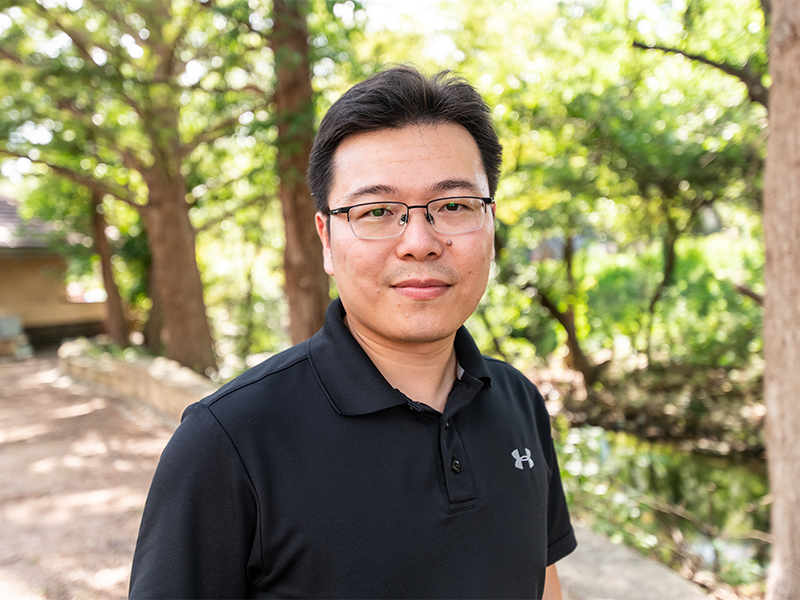
Zhenghui Sha
Associate Professor
June and Gene Gillis Endowed Faculty Fellowship in Manufacturing Systems Engineering, Walker Scholar
zsha@austin.utexas.edu
512-471-1818
Office Location: ETC 4.142

Li Shi
Professor
Ernest Cockrell, Sr. Chair in Engineering #2
lishi@mail.utexas.edu
512-471-3109
Office Location: GLT 2.230
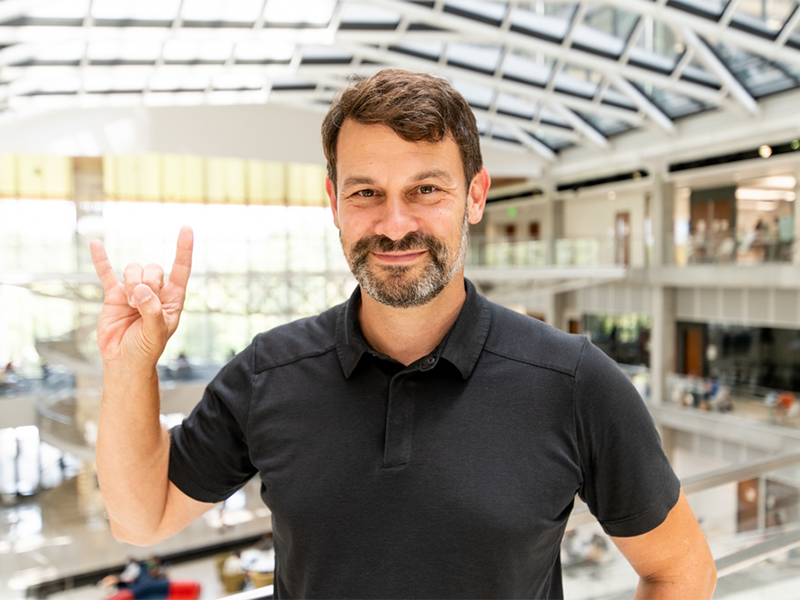
Donald Siegel
Department Chair and Professor
Temple Foundation Endowed Professorship #4, Cockrell Family Chair for Departmental Leadership #4
donald.siegel@austin.utexas.edu
Office Location: ETC 5.208A

S.V. Sreenivasan
Professor
David Allen Cockrell Chair in Engineering, Cockrell Family Regents Chair in Engineering #7, Joe C. Walter, Jr. Chair in Engineering
sv.sreeni@mail.utexas.edu
512-471-6546
Office Location: EER 4.620
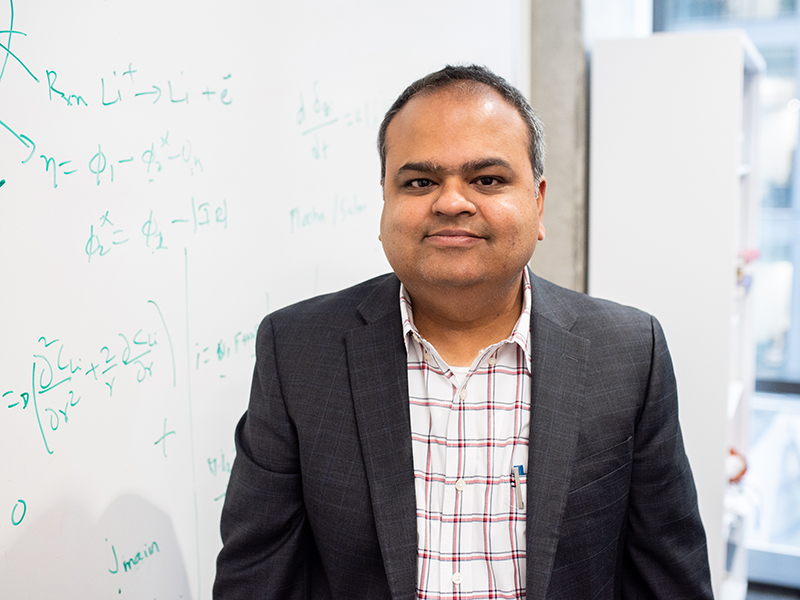
Venkat Subramanian
Professor
Cullen Trust for Higher Education Endowed Professorship in Engineering #2
venkat.subramanian@utexas.edu
Office Location: GLT 2.246

Eric Taleff
Professor
Temple Foundation Endowed Faculty Fellowship No. 6
taleff@mail.utexas.edu
512-471-5378
Office Location: ETC 9.150
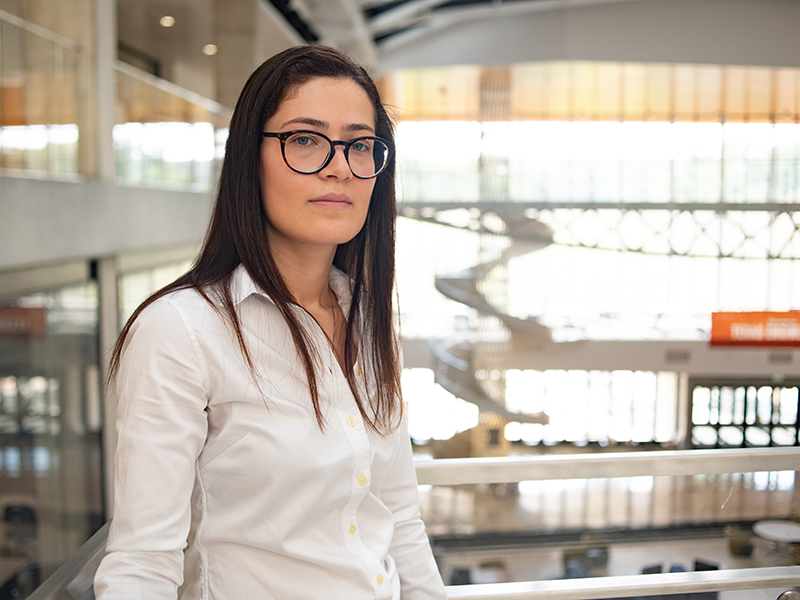
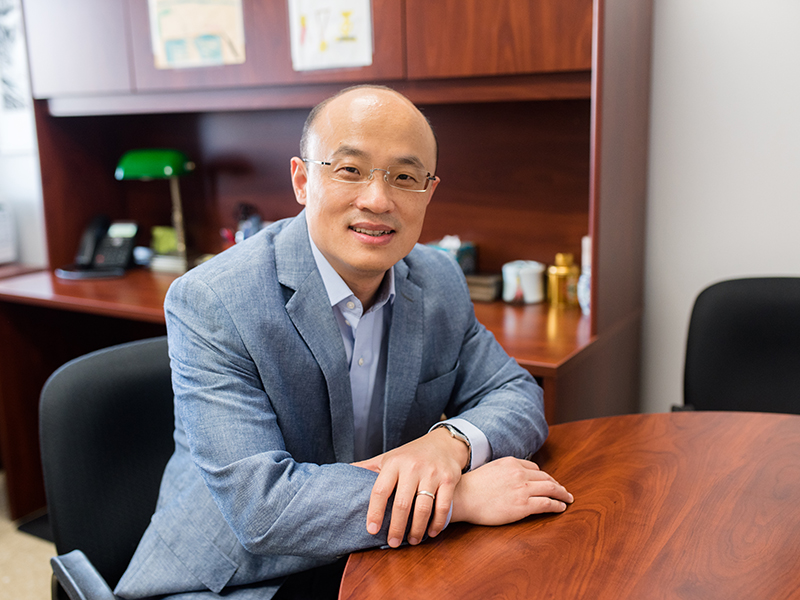
Junmin Wang
Professor
Fletcher Stuckey Pratt Chair in Engineering
jwang@austin.utexas.edu
512-232-2392
Office Location: ETC 4.152C
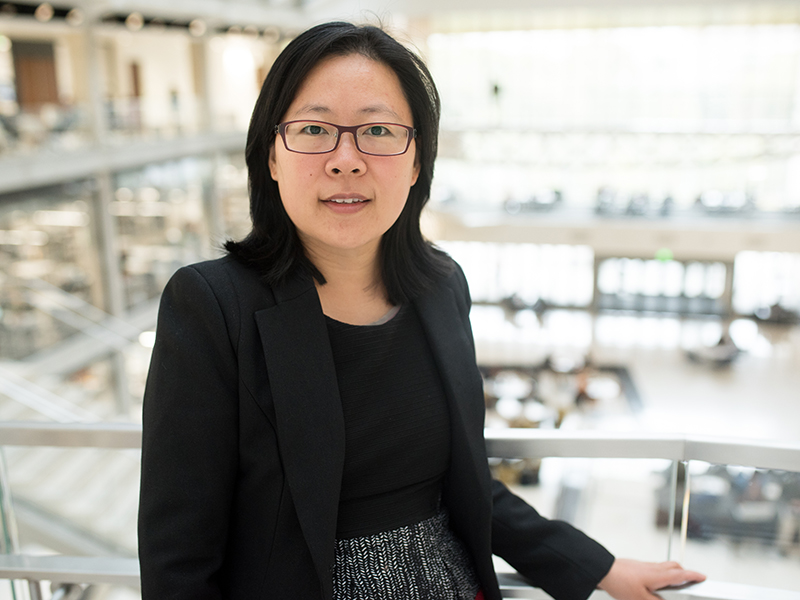
Yaguo Wang
Associate Professor
Robert & Jane Mitchell Endowed Faculty Fellowship in Engineering
yaguo.wang@austin.utexas.edu
512-475-9556
Office Location: GLT 3.332

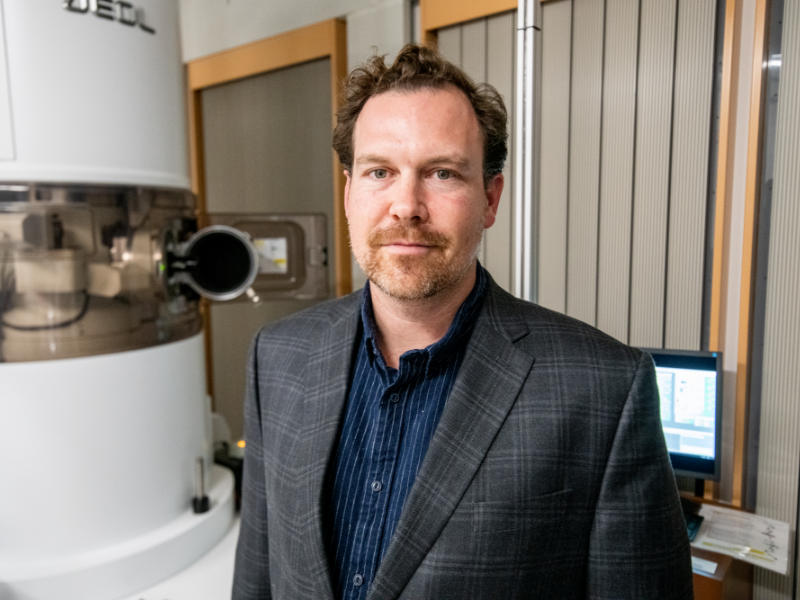
Jamie Warner
Professor
Temple Foundation Endowed Professorship No. 1
jamie.warner@austin.utexas.edu
Office Location: EER 6.620
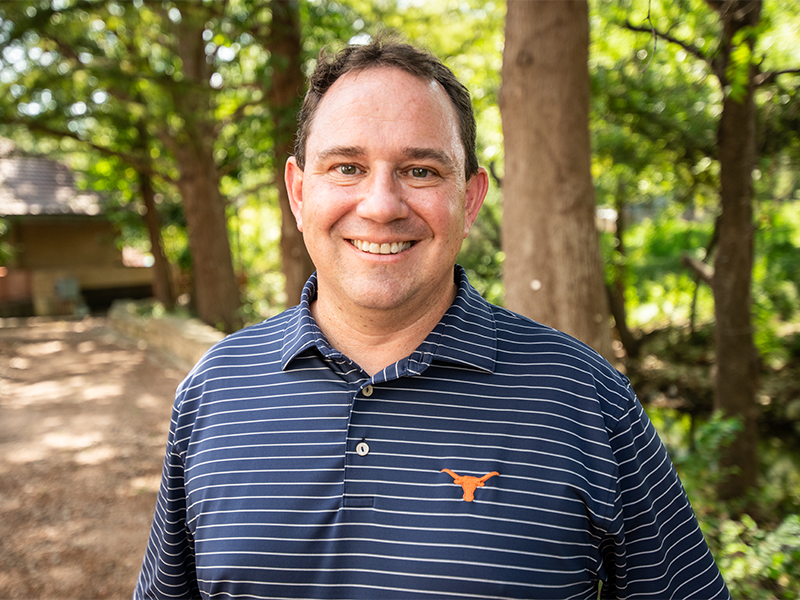
Michael Webber
Professor
Cockrell Family Chair in Engineering #16
webber@mail.utexas.edu
512-475-6867
Office Location: ETC 6.106EA
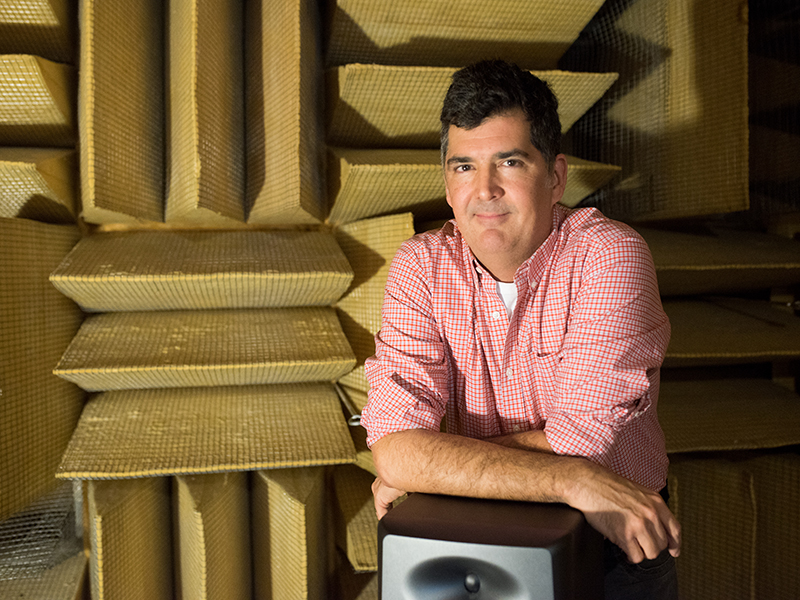
Preston Wilson
Professor
Paul D. & Betty Robertson Meek Centennial Professorship in Engineering
pswilson@mail.utexas.edu
512-475-9093
Office Location: ETC 4.152B

Fangzhou Xia
Assistant Professor
fangzhou.xia@austin.utexas.edu
512-232-2821
Office Location: ETC 4.158
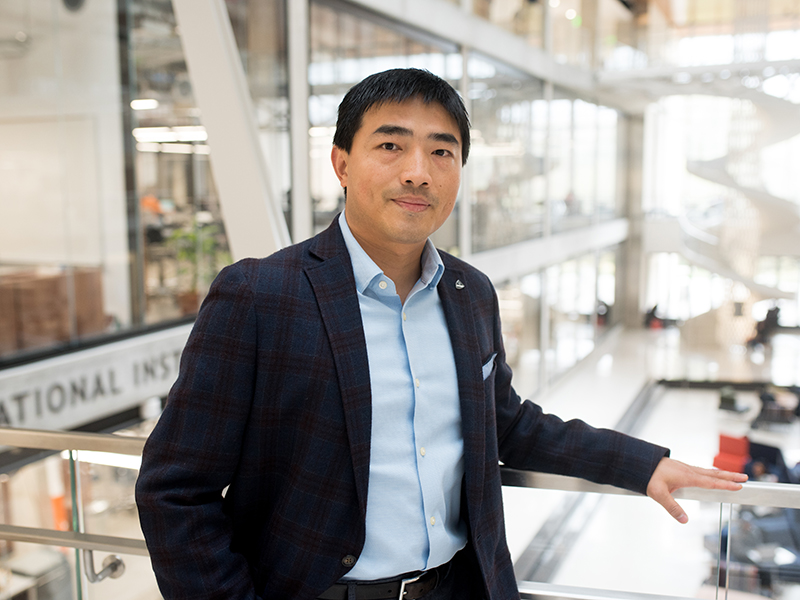
Guihua Yu
Professor
John J. McKetta Centennial Energy Chair in Engineering
ghyu@austin.utexas.edu
512-232-5276
Office Location: ETC 9.178
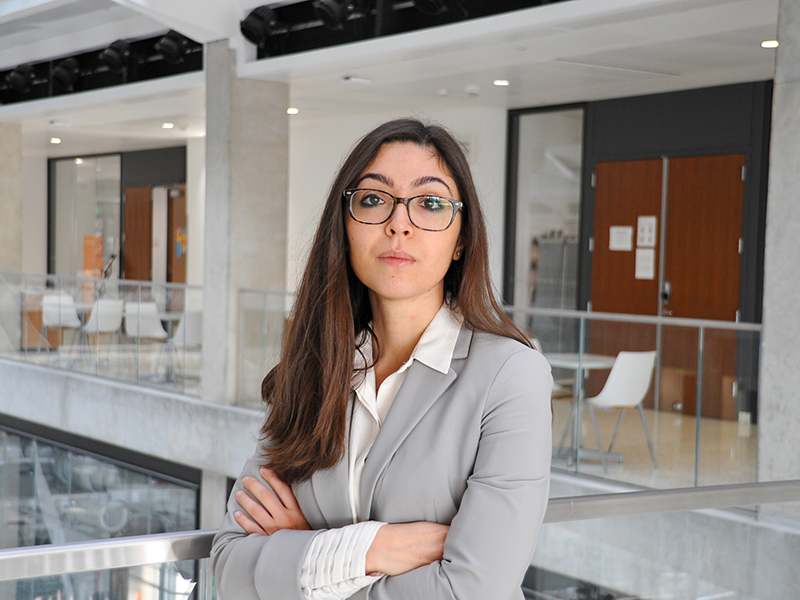
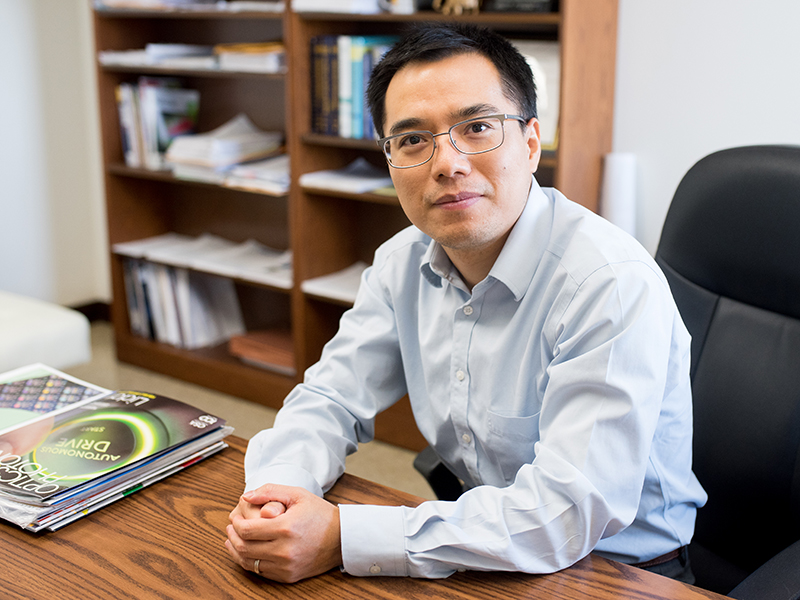
Yuebing Zheng
Professor
Temple Foundation Endowed Professorship No. 2
zheng@austin.utexas.edu
512-471-0228
Office Location: ETC 9.104